Professional training at Senshu
Structured sport-pedagogical professional training – technically, methodically and pedagogically developed, practice-oriented and grown over years.
Senshu's professional training conveys technical, methodical and pedagogical competence in preparation for professional work in training, teaching, prevention and club operations.
A structured path from childhood and youth to trainer qualification
Senshu's professional training is built on a long-term, practice-oriented and pedagogically structured system that begins in childhood and adolescence.
Children and teenagers acquire foundational technical and methodical skills early through their regular lessons. These form the basis for further athletic, methodical and pedagogical qualification within the Senshu training system.
The programme is aligned with recognised standards of organised sport and with established qualification paths for trainers and instructors.
Skills acquired early on
- Concentration
- Discipline
- Coordination
- Social behaviour
- Sense of responsibility
- Communication
- Teamwork
- Respectful interaction
Career perspectives after the programme
The programme prepares participants for responsible roles in sport, teaching and club work. Typical fields include trainer, instructor (Übungsleiter), course leader, junior trainer, assistant trainer, as well as club and prevention sport.
Trainer
Independent leadership of training and course offerings.
Instructor (Übungsleiter)
Guidance of groups within organised sport and club operations.
Course leader
Planning and running structured courses for defined target groups.
Sport pedagogue
Methodical and pedagogical guidance in sport and educational contexts.
Junior trainer
Technical and pedagogical care of children and adolescents.
Assistant trainer
Support for experienced trainers in ongoing teaching and training.
Club manager
Organising and administering sport and club structures.
Prevention sport
Leading preventive movement programmes in health and club settings.
Qualifications aligned with recognised standards
The content taught forms the basis for further qualifications and work in the trainer, instructor and club fields. The programme is aligned with recognised standards of organised sport.
DOSB licences
Connection to qualification paths of the German Olympic Sports Confederation.
Trainer licences
Preparation for Trainer C, B and sport-specific licence paths.
Instructor (Übungsleiter) licences
Foundations for working as an instructor within organised sport.
Prevention sport
Methodical foundations for recognised prevention and health programmes.
Club management
Organisational and administrative competence in club operations.
Continued training
Structured pathways for ongoing qualification and specialisation.
Technical, methodical and didactic competence
The programme conveys hands-on, methodical and didactic competence. Core areas include training science, lesson design, group leadership, movement studies, pedagogical foundations, prevention sport and organisational skills in training and club operations.
Training science
Training methodology, load management and sport science fundamentals.
Lesson design
Structuring, phasing and goal-oriented design of teaching units.
Group leadership
Methodical guidance of groups of varying ages and performance levels.
Movement studies
Analysing, teaching and correcting movement patterns.
Pedagogical foundations
Didactics, learning psychology and age-appropriate methodology.
Prevention & club sport
Preventive programmes and organisational competence in clubs.
Structured development through interlocking stages
Senshu's professional training is structured around the belt and performance stages of each martial art. These belt stages are not just athletic milestones, but at the same time interlocking training and qualification stages within the Senshu system.
What grows with experience
- Technical ability
- Methodical knowledge
- Pedagogical competence
- Understanding of teaching
- Responsibility in coaching and teaching
Development is assessed by
- Practical teaching experience
- Technical development
- Willingness to take responsibility
- Social competence
- Personal aptitude
Gradually introducing supporting roles
Advanced children and teenagers are – depending on age, maturity and stage of training – gradually introduced to supporting roles in lessons. This practical involvement is a fixed part of the Senshu training concept.
- Assisting with exercises
- Supporting new participants
- Leading individual training segments
- Group organisation
- Partner work
- Developing communication and pedagogical skills
Professional instructor training
Building on the foundations laid in the children's and youth stages, the advanced Senshu programme conveys technical, methodical and pedagogical competence for qualified work in coaching, teaching and care.
- 01Training methodology and didactics
- 02Lesson planning and structure
- 03Pedagogy in children's and youth training
- 04Communication and group leadership
- 05Movement science and training planning
- 06Responsibility and role-model function
- 07Safety and prevention concepts
- 08Motivation and conflict management
- 09Practical guidance in live lessons
- 10Organisational processes in coaching operations
A practice-oriented training system
Training takes place continuously across several development and training stages and combines long-term practical experience with methodical and pedagogical guidance. Participants take on initial supporting roles early, under the guidance of experienced trainers, and gradually develop their skills in central areas.
Leading training
Independent guidance of individual training segments under supervision.
Lesson design
Planning and structuring training units for different groups.
Group leadership
Confident presence, clear communication, methodical approach.
Pedagogical care
Individual support, motivation and development of single participants.
Training guidance and qualification development
Participants' progress is continuously guided and developed within the Senshu training system. The combination of the following building blocks forms the foundation of the long-term Senshu training concept:
- Regular teaching practice
- Belt and performance stages
- Methodical development
- Pedagogical responsibility
- Practical teaching experience
Complementary competence development
Alongside the technical, methodical and pedagogical qualification, complementary cross-disciplinary competencies relevant to daily training and teaching are developed throughout the programme.
Perspectives within the training system
The Senshu programme prepares participants step by step for further responsibilities in coaching, teaching and care.
Depending on training stage, personal development and qualification, participants can take on further tasks and areas of responsibility within the Senshu training system.
Schrittweise Übernahme weiterer fachlicher und organisatorischer Verantwortungsbereiche im Trainings-, Unterrichts- und Vereinsbetrieb.
What our team says
Three voices on what it's like to be part of the Senshu team.
I turned my hobby into my job and teach breakdance and hip-hop for kids and teens at Senshu. As an employer, Senshu is genuinely great: a friendly team, really good working conditions and regular cool events and specials. You can tell that people here think of you – and the beautiful, clean studios make training a real joy.

I have worked at Senshu for over four years – I started as a service assistant and today I am a trainer and part of the customer advice team. There is a great atmosphere, fair pay and lots of extras like training courses, outings and company events. You really feel the management's appreciation for the staff – that is not something you find everywhere.
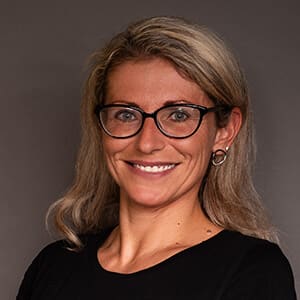
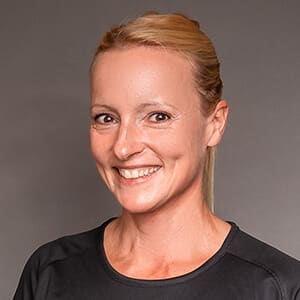
I have been teaching children's courses like Fit Kids, kids' yoga and back-fitness at Senshu for several years. What makes Senshu special for me is the appreciative atmosphere and the focus on the individual – children are nurtured personally here. I feel I am doing something meaningful, and the collaboration is warm, professional and built on trust.
Get in touch
Interested in sport, personal development, pedagogy and working with people? Find out more about the Senshu training system and the long-term opportunities in coaching and teaching.
Contact us now